Science
Providing applied research and impact evaluation support using epidemiology, quasi-experimental approaches, geospatial modeling, and mixed-methods.
Science to action for people and the planet
Veterinarian · Epidemiologist · Scientist
I am Caroline, a veterinarian and epidemiologist dedicated to reimagining global systems for a healthier and more livable planet.
Working at the intersection of science, policy and practice, I help organizations address interconnected challenges in health, climate and biodiversity. Over the past 10 years, I have supported policymakers, academic partners, non-profits and community-led initiatives with the design, implementation and evaluation of solutions across public and planetary health.
Learn more Photo by Janne Hoevelaken
Providing applied research and impact evaluation support using epidemiology, quasi-experimental approaches, geospatial modeling, and mixed-methods.
Bridging science and decision-making by translating evidence into clear, policy-relevant insights and strengthening collaboration between academia and policymakers across sectors.
Supporting non-profits, governments, and international organizations to translate evidence into community-led action.
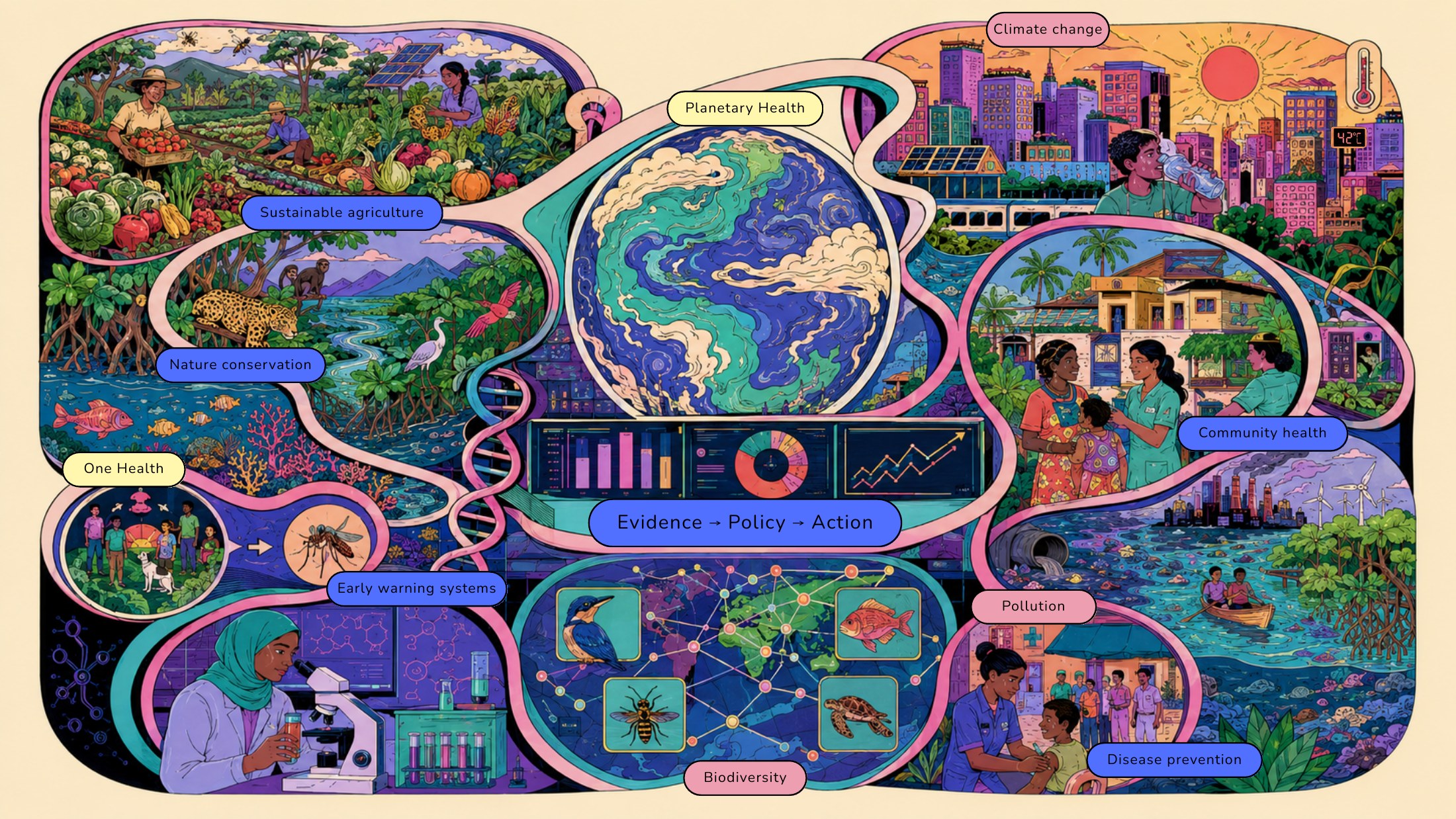
 Photo by Lightscape
Identifying local interventions that improve outcomes for people, animals and ecosystems and help scaling different community-led nature-based solutions.
 Photo by Protecting Global Gains
Applying geospatial epidemiology and mathematical modeling to infectious diseases including leishmaniasis, leprosy, soil-transmitted helminths and malaria to improve where and how prevention and control efforts are targeted.
 Photo by Hennie Stander
Leveraging established HIV care systems to integrate prevention and treatment for diabetes and hypertension and strengthen chronic disease care in sub-Saharan Africa.
 Photo by Mauro Mora
Designing and testing healthcare delivery innovations with governments, multilateral organizations and civil society to improve health outcomes, efficiency and equity across health systems.
Global Health and Development | Planetary Health | One Health | Emerging and Re-emerging Infectious Diseases | Climate Change and Health | Health Systems | Healthcare Innovation | Health Equity | Chronic Disease Prevention and Care | Sustainable Agriculture | Regeneration | Sustainable Food Systems | Wildlife and Marine Life Conservation | Biodiversity | Migration and Health | Female Empowerment
Honours & Awards
NWO Rubicon Laureate
NWO · 2022
Benjamin Walter Programme
DFG · 2024
Academic Scholarship
Harvard T.H. Chan · 2024
Young Talent Award
Cultuurfonds · 2021

Next Generation Women Leaders
McKinsey & Company · 2020
Young Investigator Award
AIDS · 2020
Select a project to read more.

We're building Co-Flourish: a platform that supports community-led initiatives in nature restoration and nature-based solutions. It provides funding access, monitoring and evaluation, and connections to research and policy partners to help initiatives demonstrate and scale impact.
Learn moreI study how environmental and societal change affects human health. My work identifies where health risks persist, evaluates whether interventions improve health and societal outcomes, and examines how climate adaptation, ecosystems and healthcare systems shape health across populations.
PhD thesis and defence
Summary
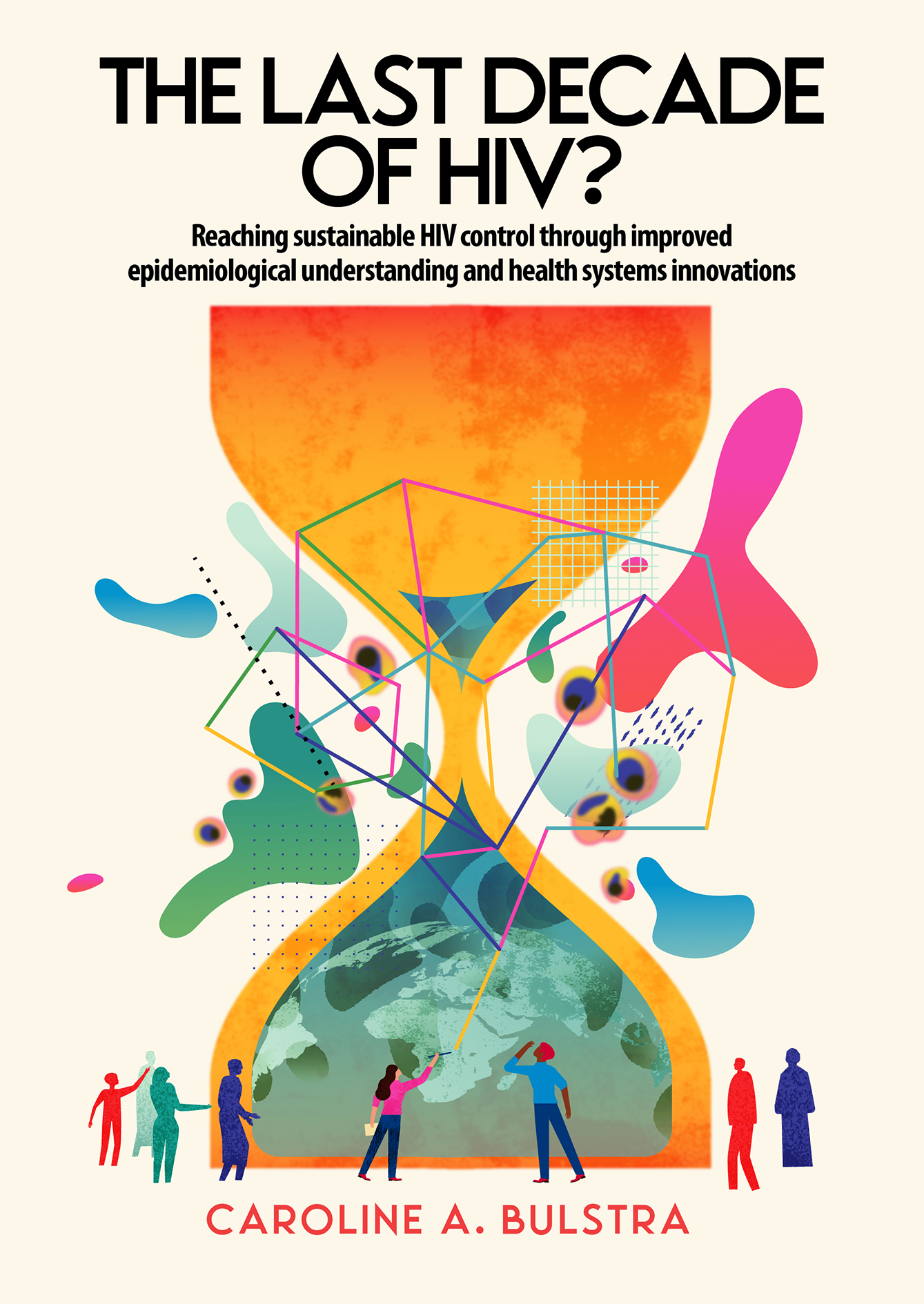
The HIV pandemic has been one of the most devastating public health threats in recent history. After emerging as a new human pathogen during the mid-20th century, the virus spread rapidly, infecting more than 79 million people worldwide, of whom 36 million have died due to its consequences. In the late 1990s, HIV related mortality peaked worldwide, with over 2 million deaths annually.
Peer-reviewed scientific publications. For full overview see Google Scholar.
2026
Teufel F, Kocher EL, Bulstra CA
Lancet Glob Health 2026 Mar;14(3):e321-e323
2025
Alexiou ZW, Dixit S, Ogbuoji O, Kohler S, Atun R, Terris-Prestholt F, Semini I, Bulstra CA, Bärnighausen T
PLOS Glob Public Health 2025 Dec 2;5(12):e0004583
2025
Teufel F, Roddewig P, Marcus ME, Theilmann M, Andall-Brereton G, Aryal K, Azadnajafabad S, Bovet P, Dorobantu M, Farzadfar F, Houehanou C, Sibai A, Stokes AC, Labadarios D, Gurung M, Jorgensen J, Karki K, Lunet N, Saeedi Moghaddam S, Mwangi KJ, Sturua L, Bärnighausen T, Flood D, Geldsetzer P, Damasceno A, Davies J, Vollmer S, Ali MK, Manne-Goehler J, Bulstra C
Nat Commun 2025 Aug 4;16(1):7139
2025
Bulstra CA, Dai X, Ngure K, Rosenberg MS, Wamuti BM, Hontelez JAC, Salomon JA, Ortblad KF, Bärnighausen T
medRxiv [Preprint] 2025 May 25:2025.05.22.25328138. doi: 10.1101/2025.05.22.25328138. PMID: 40661279; PMCID: PMC12258752
2025
Douglas AO, Senkaiahliyan S, Bulstra CA, Mita C, Reddy CL, Atun R
JAMA Health Forum 2025 May 2;6(5):e250746
2026
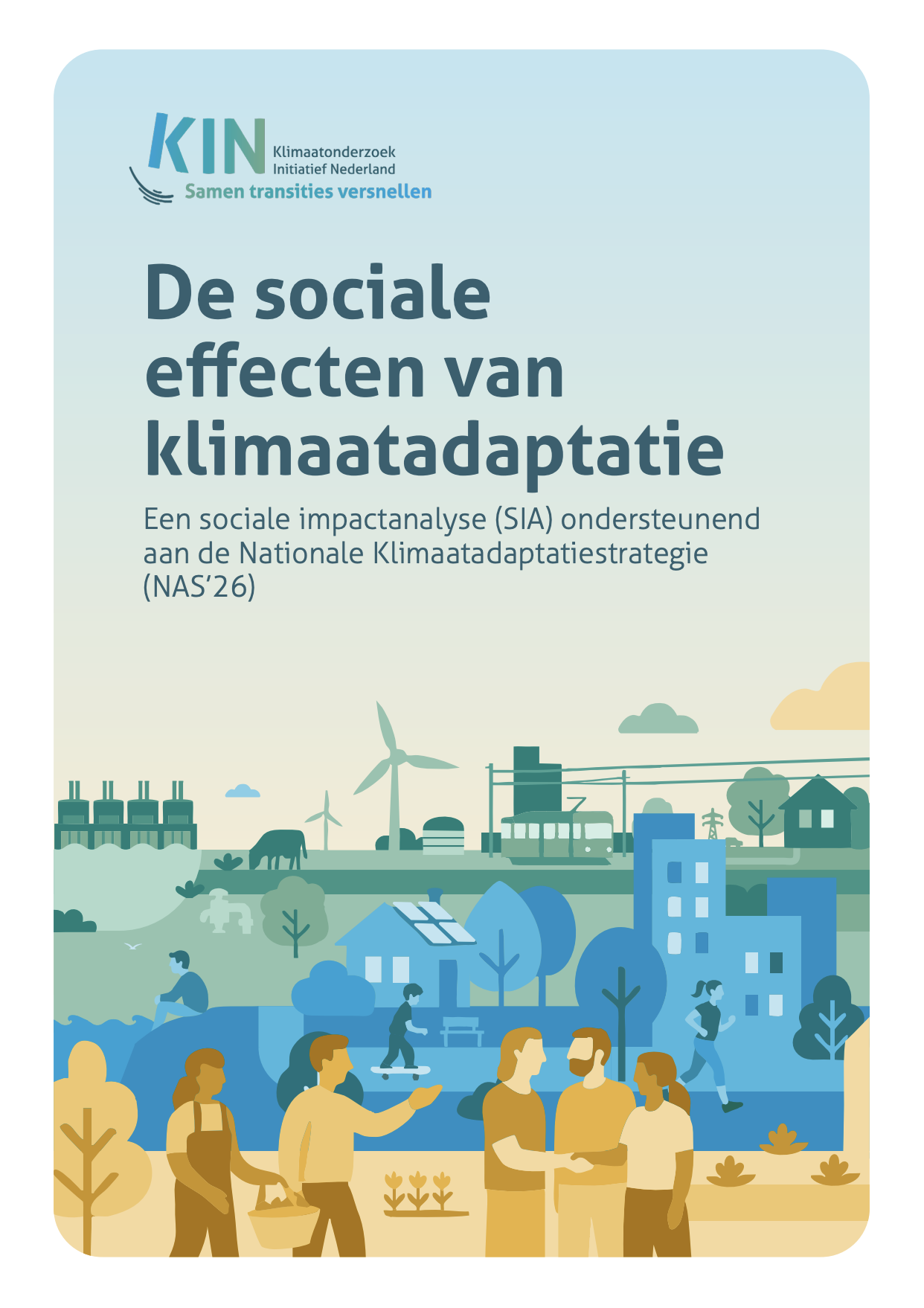
Klimaatonderzoek Initiatief Nederland (KIN)
2026
Bulstra CA, Mokashi M
Global Protagonists
KIN · May 2026
KIN makes a significant contribution to the National Climate Adaptation Strategy (NAS'26) with an innovative approach
Aidsmap · July 2025
Integration of HIV services – what does that really mean?
NRC · June 2025
Harvard: Kennis en sociale rechtvaardigheid zijn geen tegenpolen (letter)
NRC · November 2024
Een gezonde planeet is een gezonde mens (interview)
Harvard T.H. Chan School of Public Health · April 2024
Hackathon sparks digital, AI solutions to improve health care
Blog
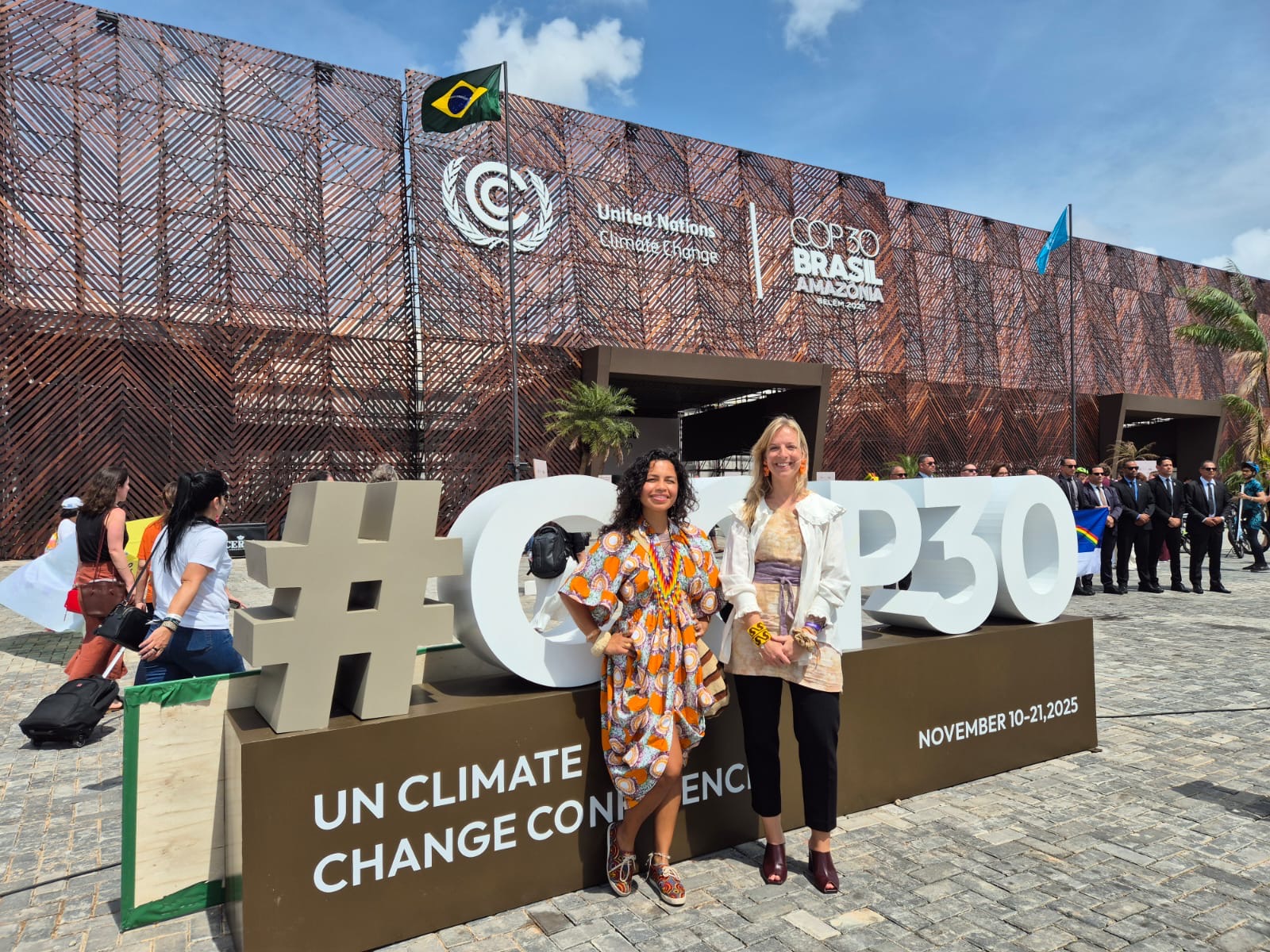
Co-Flourish · 21 November 2025
Reflections from COP30 with Katrine de Angeles on what it means to listen first, and how community-rooted work finds its place in global climate negotiations.
Read more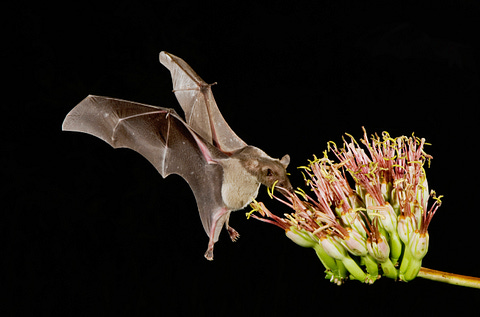
Co-Flourish · 2 July 2025
With Estefania Fernandez and Katrine de Angeles, on the largely invisible ecological labour that keeps people healthy — and what happens when it is lost.
Read more
Europe for Nature · 21 May 2024
A hidden patch of forest within agricultural land, and what it suggests about how green corridors could work for both nature and communities in Europe.
Read more Harvard Health Systems Innovation Lab
 FAO
FAO University of Pretoria
 Africa Health Research Institute
 THRIVE
 Mission Rabies
 World Bank
 UNAIDS
 VSF Nederland
 Global Protagonists
 Zanzibar Mayor's Office
 RIVM
RIVMDr. Caroline Bulstra is a veterinarian and epidemiologist working at the intersection of global health, planetary health and health systems. She is currently based at the Erasmus School of Health Policy & Management at Erasmus University Rotterdam, where she researches how nature-based solutions can restore ecosystems while improving human health.
Her work focuses on generating evidence that can inform how societies respond to complex health and environmental challenges. She combines epidemiological methods, geospatial modelling and quasi-experimental approaches to study interventions in real-world settings and understand what works, for whom and under what conditions. Across her work, she has focused on how evidence can move beyond academic research to inform decision-making, institutional change and practical action.
Previously, Caroline was an NWO Rubicon Research Fellow and worked at the Harvard T.H. Chan School of Public Health, where she served as Associate Director of the Health Systems Innovation Lab. She has also held research and leadership roles at the Heidelberg Institute of Global Health, Heidelberg University, including as Group Lead for Global Health Systems and Planetary Health. She has collaborated with international organisations including the World Bank, World Health Organization, UNAIDS and the Food and Agriculture Organization of the United Nations, as well as with governments, academic institutions and community-based organisations across Europe, sub-Saharan Africa and South Asia.
Her research has been published in leading journals including The Lancet HIV, The Lancet Diabetes & Endocrinology, Nature Communications and PLOS Medicine.
Caroline holds a PhD in Epidemiology and Global Health and a Master of Health Sciences in Epidemiology and Biostatistics from Erasmus University Rotterdam, as well as a Doctor of Veterinary Medicine degree from Utrecht University.
 Photo by Lauren Willcox
“The good man is the friend of all living things.”
This philosophy lies at the heart of my work: connecting human, animal and environmental health and helping drive systemic change towards a future in which we can flourish together.


